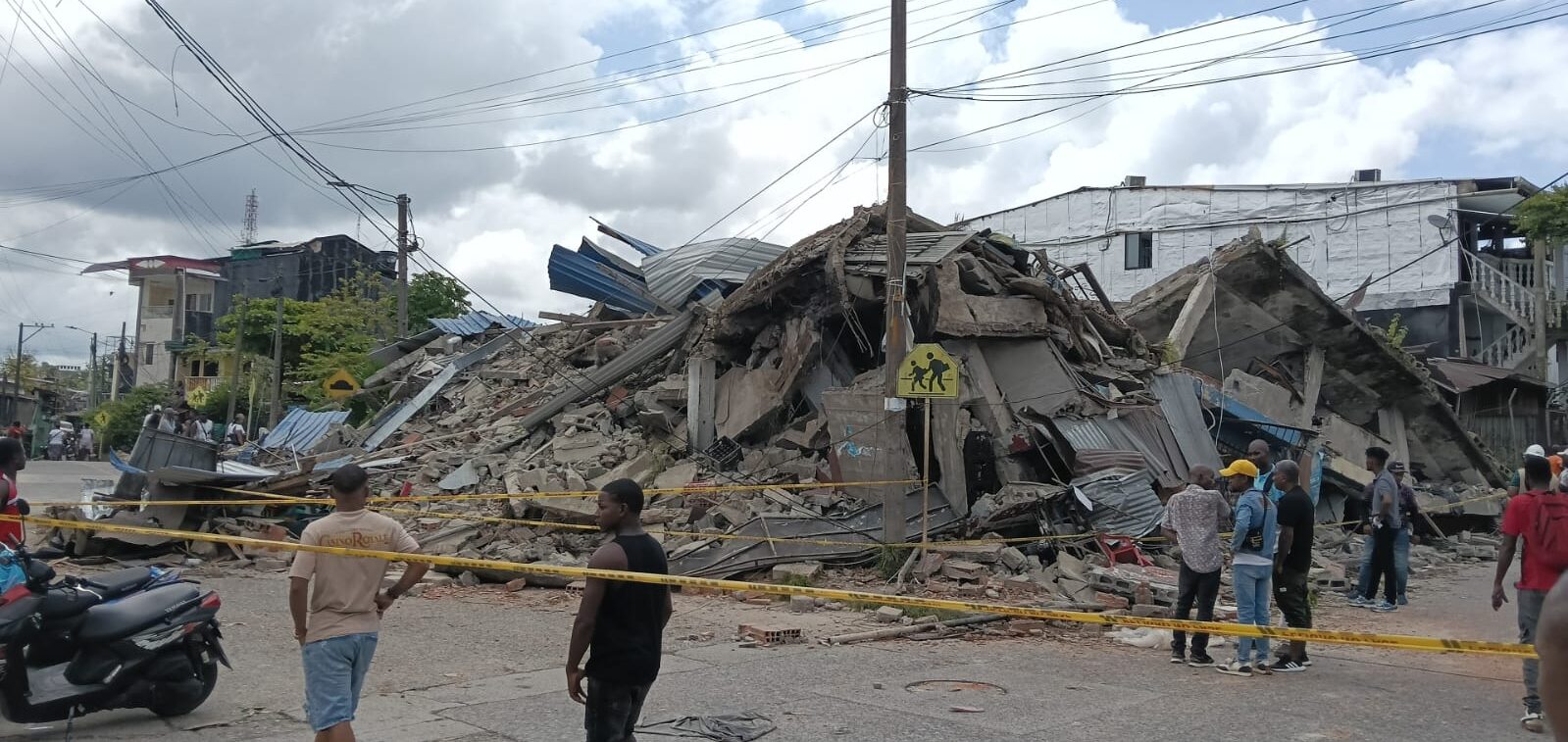
100 days after the earthquake, fear and uncertainty still grip communities in Colombia
For Yuranni Venegas, the fear has not gone away.
One hundred days after a powerful earthquake struck her community in Colombia’s Chocó department, she still remembers the terrifying moments when the ground shook, damaging homes and leaving families afraid of what might happen next.
“We’d never been through anything like that,” she recalls. “It was one of the longest and strongest earthquakes we’d ever felt in the community.”
On August 10, 2026, a magnitude 7.4 earthquake struck western Colombia, severely affecting Chocó, Valle del Cauca, Risaralda and Caldas. In Chocó alone, more than 776,000 people were affected, with over 104,000 homes left uninhabitable and nearly 19,150 destroyed.
The disaster came less than seven weeks after two powerful earthquakes struck neighbouring Venezuela on June 24, leaving an estimated 1.3 million people in need of humanitarian assistance, particularly in the northern coastal state of La Guaira.
In both countries, the earthquakes struck communities already struggling with poverty, insecurity and limited access to essential services.
Canadian Lutheran World Relief (CLWR), working through the Lutheran World Federation (LWF), mobilized emergency assistance with support from Canadians, helping families access food, safe drinking water, shelter materials and other essentials.
But 100 days after Colombia’s earthquake, the challenge is no longer simply surviving the disaster. For thousands of families, it is finding a way to rebuild their lives.
100 days later, the damage remains
In Chocó, many families are still living in damaged homes, unable to afford repairs or find somewhere else to stay.
“Some homes are not habitable, but people are still living in them because they have nowhere else to go,” says Sandy Paola Salgado Castillo, LWF Operations Officer in Colombia.
In Chocó, where heavy rainfall is a fact of life, repairing earthquake-damaged homes has become even more urgent. For families living under leaking roofs or inside damaged wooden houses, each downpour brings another reminder of how far they remain from recovery.
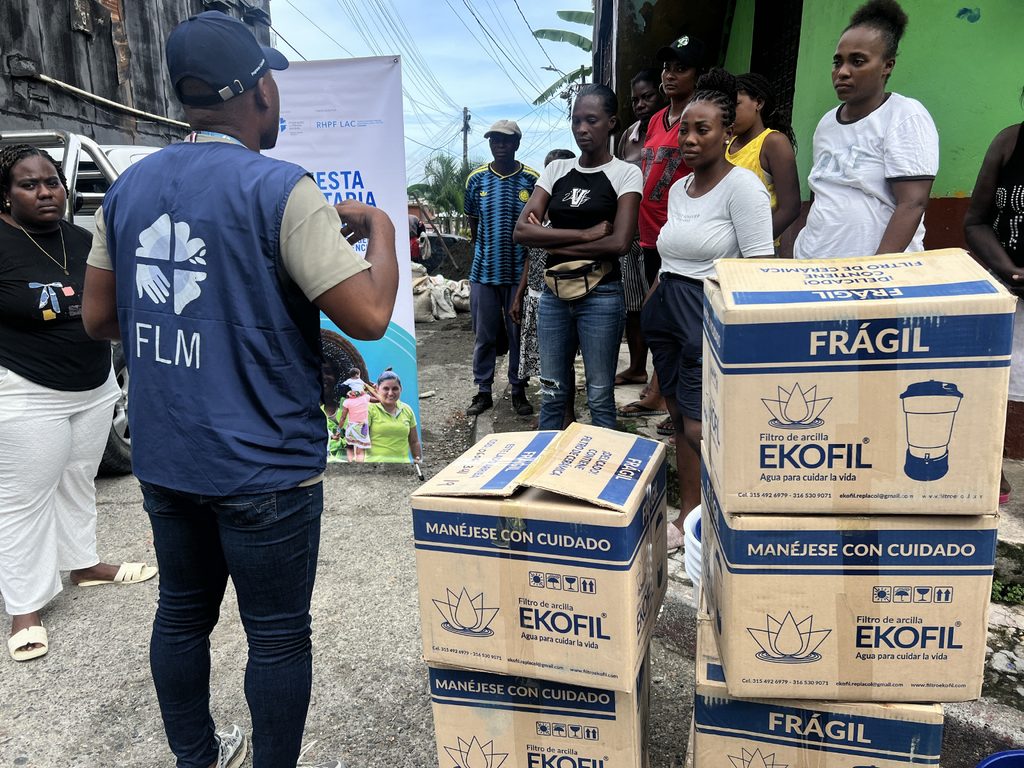
Families have also lost belongings and sources of income, while access to safe water and basic services remains difficult.
Children’s education has suffered too. Some damaged schools cannot accommodate all their students safely, forcing children to attend classes in shifts, sometimes for only two or three hours a day.
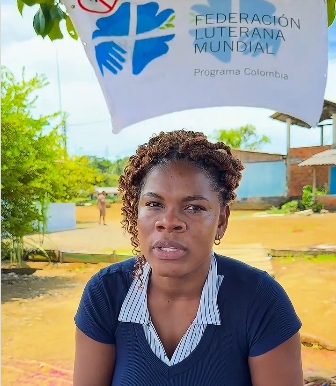
For Venegas, an auxiliary nurse from San Agustín de Terrón in Chocó, the emotional impact has been just as difficult.
“Some people here have high blood pressure, and they’re still feeling the effects of what happened. So are the children, the older adults and the community as a whole,” she says. “We’ve been left with this fear, wondering when it’s going to happen again.”
The field team has also identified growing protection concerns, including reports of increased gender-based violence, alongside a greater need for psychological support.
Helping families regain a sense of normality
So far, CLWR’s response through LWF Columbia has reached 4,670 people across 1,663 families in Chocó, including communities in Quibdó, Istmina, Alto Baudó and Medio Baudó.
Assistance has included food, hygiene kits, household items, emergency shelter supplies and cash to help families cover medicines, transportation and other basic expenses.
The response also provided 9,000 litres of safe drinking water and hundreds of hygiene kits.
CLWR’s earthquake response in Colombia, along with part of its response in Venezuela, has been funded through the Canadian Humanitarian Assistance Fund (CHAF), administered by the Humanitarian Coalition with support from the Government of Canada. In Chocó, this funding has also helped provide tools and materials for debris removal and basic household repairs.
Where many homes are made of wood, even simple repairs can make a difference. Replacing boards, fixing leaking roofs or repairing partitions can help make damaged homes habitable again.
Venegas has seen how that support extends beyond individual households.
“If a neighbour was given a board, for example, we’d go over and help nail it in place,” she says.
Community leaders have also helped identify families most in need and connect them with assistance.
“Photo Credit: Yuranni Venegas, a nurse from Chocó, Colombia. Screenshot from LWF Colombia footage.”
Army Lemus Córdoba, president of the Association of Rural Community Councils in Quibdó municipality, says the support has been important, but communities need more than emergency supplies.
“This assistance has helped a lot of people. What I’d ask is that you don’t leave us on our own, that you keep supporting us. We still need a lot of help.”
He hopes families can eventually grow food or raise animals, reducing their dependence on outside assistance.
A second disaster across the border
Less than seven weeks before Colombia’s earthquake, neighboring Venezuela had been struck by two powerful earthquakes measuring 7.2 and 7.5, just 39 seconds apart, on June 24. The disaster caused widespread destruction, particularly in La Guaira state, leaving communities in both countries struggling to recover from overlapping humanitarian crises.
The disaster deepened an already prolonged economic and humanitarian crisis in Venezuela, leaving families without homes, income or reliable access to essential services.
In Venezuela, the emergency response has included activities partly funded by Humanitarian Coalition, with support from the Government of Canada.
The response has so far reached approximately 7,500 people, providing food, hygiene and shelter supplies, primary health care, protection services and psychosocial support.
In Mamo, La Guaira, Father José Manuel Colmenares, known locally as Father Cheo, opened the doors of San José Obrero Church, where he serves as a priest, to 140 families displaced by the earthquakes.
What began as a place of refuge soon grew into something more. With equipment and technical support, Father Cheo and local volunteers turned the church into a centre for coordinating humanitarian assistance, bringing together organizations and community members to help families in need.
Equipment and technical support by CLWR, through LWF have helped strengthen the community’s own response, identifying vulnerable families, organizing assistance and connecting residents with food, safe water, health consultations and psychological support.
For Father Cheo, the assistance also carries a personal message for families who have endured years of hardship: they “have not been forgotten”.
The hardest part of recovery is still ahead
Back in Colombia, emergency supplies helped families through the first weeks. Now, many need help repairing homes, restoring livelihoods and getting children back into safe classrooms.
Plans for the next phase include expanding access to safe water, cash assistance, psychological support and safe spaces for women and children.
Reaching isolated communities is another challenge. Some Indigenous communities require hours of travel by boat, while armed groups and movement restrictions complicate humanitarian access.
For Carmen García, LWF’s Regional Program Coordinator for Latin America and the Caribbean, responding to two earthquakes in less than two months has reinforced the importance of sustained support.
“These are communities enduring crisis after crisis,” she says. “They need us to stay.”
That need for continued support remains central to CLWR’s response.
“The generosity of Canadians has helped families put food on the table, access safe drinking water and make their damaged homes safer,” says Linnet Damien, CLWR’s Program Manager for Colombia and Venezuela.
“But recovery takes more than a few weeks or months. Families need more than help getting through another day. They need the support to rebuild their homes, restore their livelihoods and get their lives back on track. That’s why continued support is so important.”
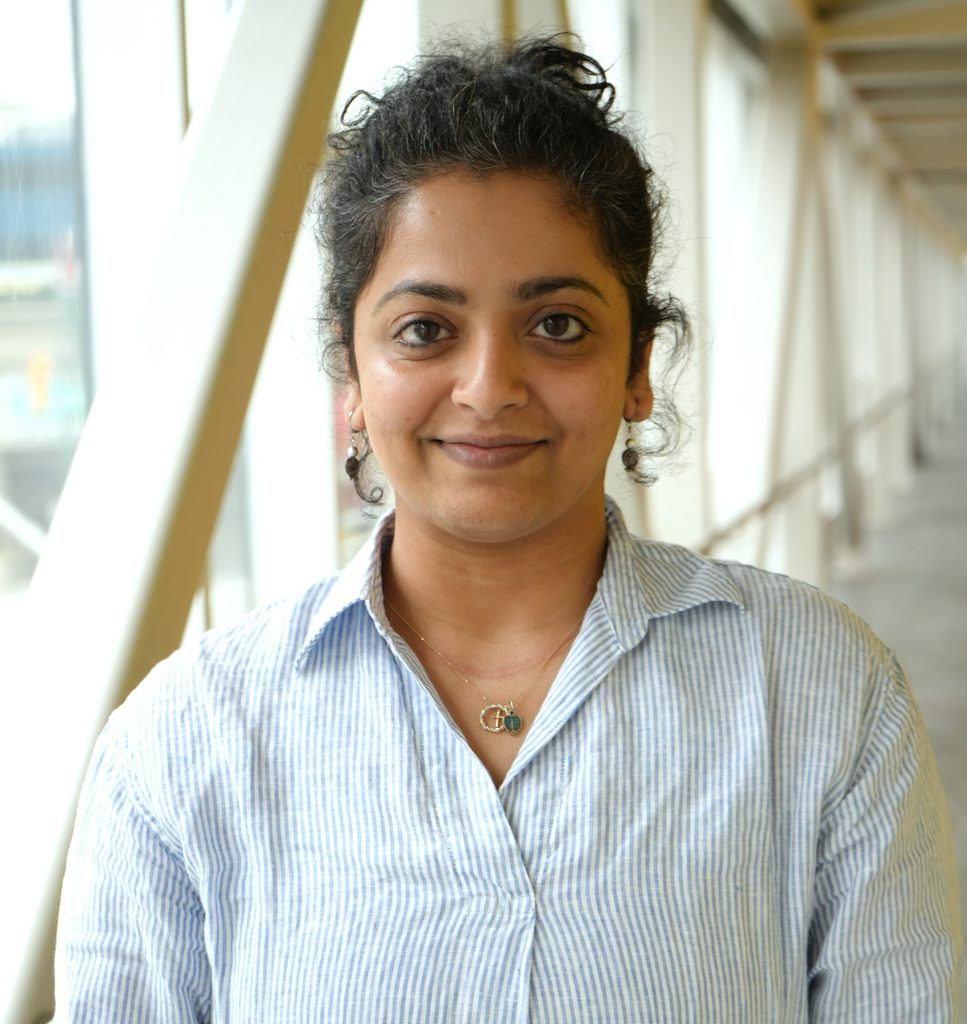
In Chocó, the earthquake lasted only moments, but its consequences continue to shape daily life.
For families like Venegas’s neighbours, recovery means having a safe roof overhead, children back in school and a way to earn a living again.
One hundred days on, those hopes remain out of reach for many. Yet, amid the damaged homes and continuing hardship, neighbours are helping neighbours rebuild, one wooden board, one repaired roof and one family at a time.
The challenge now is making sure they have the support to finish what they have started.
“Top Image caption: A pile of rubble lies where a building once stood in Chocó, Colombia, following the powerful August 10, 2026 earthquake that left thousands of families struggling to rebuild their lives. (Photo Credit: LWF Columbia)”.