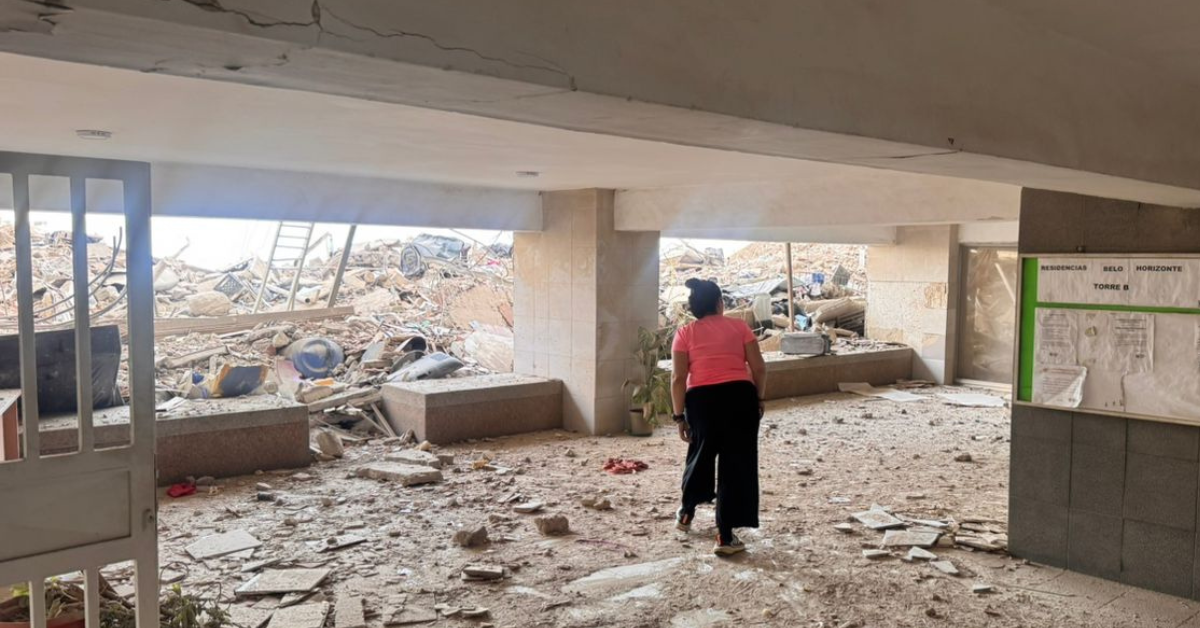
CLWR provides shelter, water and food to families after Venezuela earthquakes
Homes have collapsed, nearly 9,900 structures have been damaged, and families are searching for loved ones after two powerful earthquakes struck western Venezuela on June 24. More than 300 aftershocks have followed, forcing many people to remain in schools, vehicles, public spaces and temporary shelters. Search-and-rescue efforts are ongoing as communities struggle to access clean water, electricity and other essential services.
“Right now, it is a multidimensional crisis,” said Golda Ibarra, LWF representative Colombia and Venezuela. “There are many needs in the field, not only for people directly affected by the earthquakes, but also for those supporting the response, including rescue and health workers.”
The larger of the two earthquakes, measuring magnitude 7.5, was the strongest recorded in Venezuela in more than 125 years. More than 1,700 people have been killed, and emergency crews continue to search for survivors. Humanitarian needs are increasing as families remain displaced and essential services struggle to recover.
Canadian Lutheran World Relief (CLWR) is responding through the Lutheran World Federation as part of the Humanitarian Coalition’s Venezuela Earthquake Response. LWF has worked in Venezuela for years alongside local churches and community organizations, allowing teams to quickly assess needs, mobilize partners and begin delivering emergency assistance.
Urgent needs on the ground
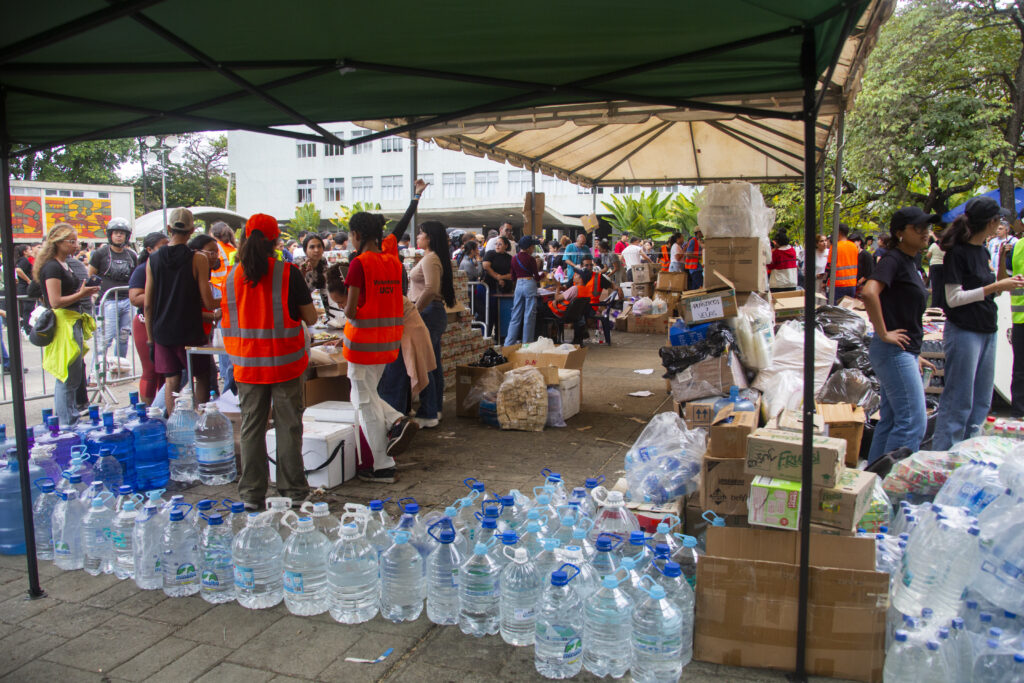
Across the affected region, access to safe drinking water remains one of the most urgent needs. Damage to water systems and electricity networks, combined with high temperatures along Venezuela’s Caribbean coast, has increased demand for water, sanitation and hygiene supplies.
“Water, sanitation and hygiene items are critical right now,” Golda said. “A lot of essential services are gone, and the need for water is extremely high.”
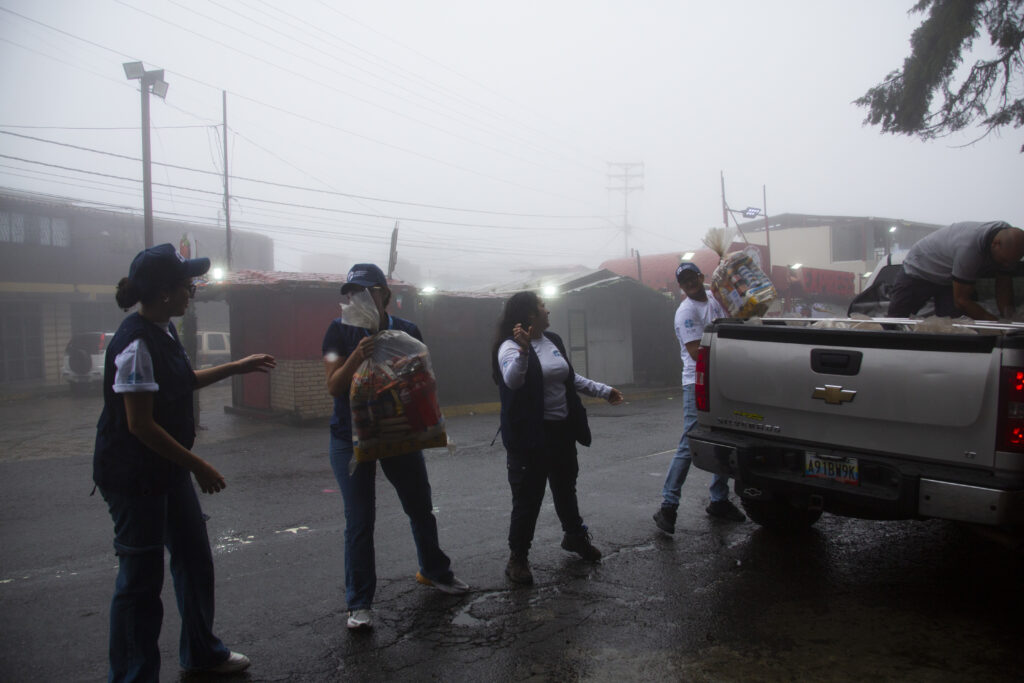
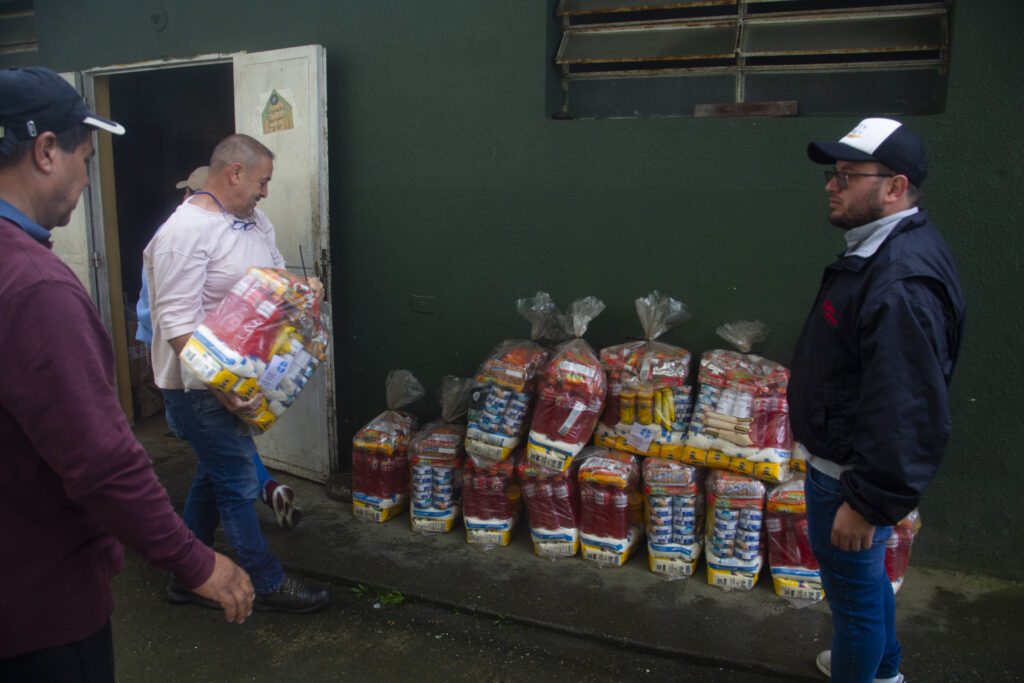
Many families have also lost the ability to prepare meals because electricity and cooking fuel remain unavailable. In response, LWF is distributing ready-to-eat food kits, along with blankets, hygiene supplies and other everyday household items.
“We are providing food that can be eaten on the spot,” she said. “Many people do not have a place to cook, so we are focusing on food that can be used immediately.”
Why CLWR can respond so quickly
CLWR is able to respond quickly to this emergency because it has been working in Venezuela for years with staff and partners already on the ground. “We have teams who understand the context, know where people are gathering, and already have relationships in place that allow us to act immediately,” said Tyler Braun, CLWR’s director of humanitarian programs. “That means support doesn’t get delayed — it reaches people faster, when they need it most.”
LWF is coordinating its response with local churches and community organizations that know the affected areas and can help reach people in the hardest-hit communities.
“We are not working alone,” Golda said. “Our local partners know these communities. They know the people, the needs and how to reach those who might otherwise be missed.”
“Local community groups are essential because they are part of the communities they serve,” said Tyler. “These are often church groups or neighbours who know exactly what’s needed and begin organizing immediately.”
How Canadians are standing alongside communities through recovery
The humanitarian response is expected to extend well beyond the first days after the disaster. As families begin to rebuild, needs are expected to shift toward shelter recovery, livelihoods, protection and mental health support. Children, older adults, people with disabilities and families already living through Venezuela’s prolonged humanitarian crisis remain among the most vulnerable. UNICEF estimates that 680,000 children now require humanitarian assistance following the earthquakes.
“It is imperative that Canadians continue to support CLWR’s response in Venezuela,” said Tyler. “The needs don’t stop after the emergency phase — recovery takes time.”
“It’s important to see communities coming together in moments like this,” he added. “We’re there to stand alongside them and make sure they’re not facing this alone. People are not alone — and they won’t be as they rebuild.”
For Golda, international support is about more than delivering supplies.
“When people in Venezuela receive support from other countries, they know they are not forgotten,” she said. “It is comforting for them to know that the world is standing with them during this emergency.”
Donate to the Venezuela Earthquake Response before July 14 and have your donation matched by the Government of Canada.
Top image caption: A woman stands inside a damaged building surrounded by rubble following the earthquake, as communities in La Guaira assess impacts and begin recovery efforts. (LWF photo/Freisy González)