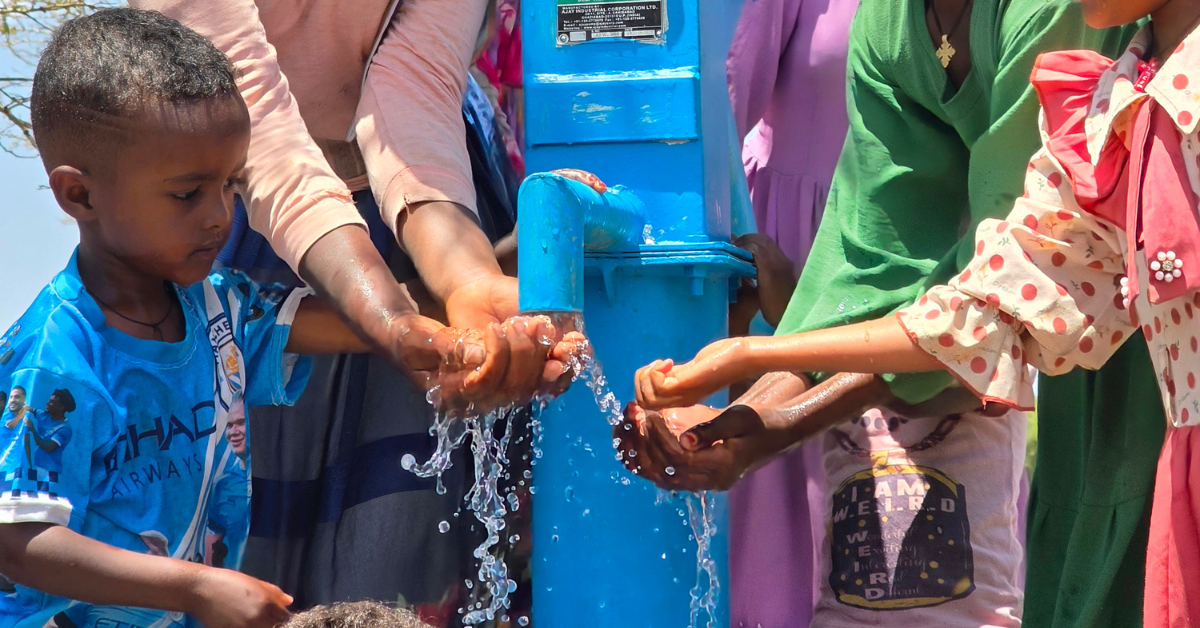
How clean water boosted student health and attendance in Ethiopia
At Sawna Junior Secondary School in Seqota, a remote town in northern Ethiopia, friends Yasara Afma and Heruit Sheko no longer start their school day walking an hour to collect drinking water.
Students now fill their bottles from a new on-site well before class. The water point brings clean water directly to the school, giving children more time to learn, study and play.
Before the well was built, students often arrived late after long walks carrying jerry cans weighing more than 20 kilograms (44 pounds) when full. Many also left lessons during the day to collect water. Attendance was inconsistent, and the journey was exhausting.
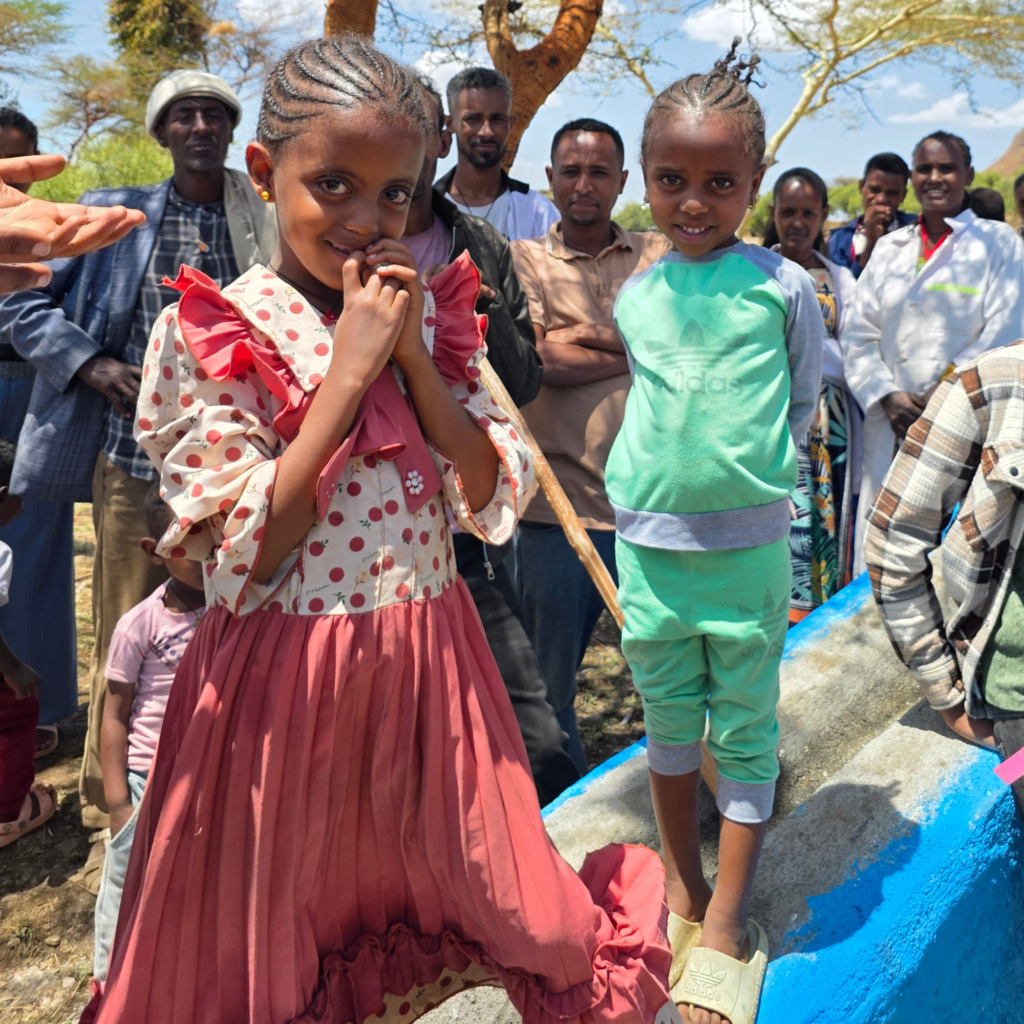
Today, the school’s shallow well serves 850 students, including 463 girls. A rainwater harvesting system also stores up to 20,000 litres of water — enough to fill more than 130 bathtubs — for handwashing and hygiene during the rainy season.
Teachers say the difference is clear: fewer absences, less illness and more time in class.
In rural parts of Amhara and neighbouring Tigray, water sources are often far from homes, across difficult terrain. When water systems fail or roads are damaged, families are left with limited safe options and often rely on unsafe water or spend hours collecting clean water from father away.
This burden falls most heavily on women and girls, limiting time for school, work and rest while increasing physical strain and safety risks.
With support from the Government of Canada and generous CLWR supporters, Canadian Lutheran World Relief, alongside the Lutheran World Federation and local partners, is helping rehabilitate 74 water points across 11 districts. These include wells, boreholes and community taps. A 4.5-kilometre pipeline is also being built to connect water systems to three towns. In addition, 5,526 households are receiving water, sanitation and hygiene supplies, including jerry cans, basins and soap.
Beyond schools, restored water systems are changing daily life in nearby communities.
In another Seqota community, a rehabilitated spring now serves about 700 households. Heavy rains had damaged the water source over time, causing erosion and contamination risks. With support from CLWR, the community rebuilt and raised the structure and installed gabion barriers —stone-filled wire cages — to stabilize and protect the water supply.
Community taps now bring water closer to home.
“The women feel safe here,” says Laysh Gebru Mhretu, a member of the local water user committee.
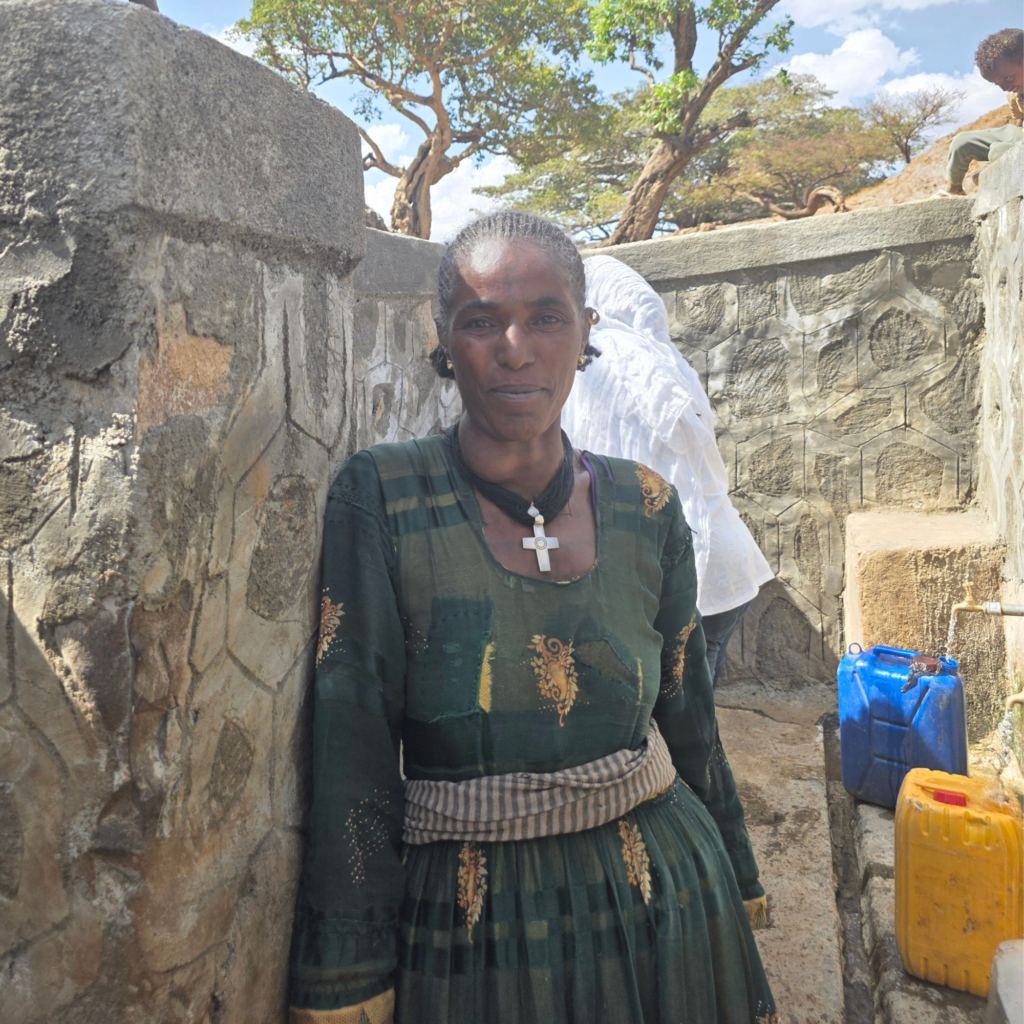
The community involvement is crucial to the long-term success of the project. In addition to her role on the committee, Laysh is also one of 273 community members trained to maintain and manage local water systems, ensuring communities can repair and protect infrastructure long after the project ends. She says some taps have already been stolen, but the community is now exploring ways to improve security, including building a fenced gate using remaining materials and local contributions.
Top image caption: Amanuel Ebabey Wubrst now has access to clean, safe water thanks to a new on-site well located near his school in Seqota, Amhara. This project was supported by Canadian Lutheran World Relief and The Lutheran World Federation. (LWF photo)