Hurricane Melissa in Haiti: emergency cash helps survivors rebuild lives
Joseline Pierre* was inside her home in Nan Bannann, Haiti when Hurricane Melissa struck in October 2025. She was inside with her child, but the walls and roof weren’t strong enough to protect them. Part of her home collapsed in the storm, and as the floodwaters rose, she lifted her child above her head to keep them safe.
While they managed to get to safety and survive the storm, Pierre’s family lost a lot in the flood. “The water carried away our belongings because part of the house collapsed,” she said. “I have lost many things.”
After the storm, a staff member with CLWR and LWF’s local partner RODEP came to her home as part of a community assessment after the hurricane. He was able to connect her with their hurricane emergency response project to help the family stay healthy and start to rebuild. Pierre received a cash grant to cover whatever needs she decided were most important for her family. She also received supplies such as water purification tablets, soap, and other hygiene items to reduce the spread of disease.
Diseases can spread much more easily after a hurricane, when floodwaters spread bacteria and people don’t have essential hygiene supplies. “Thanks to the [hurricane response] project, we were able to sensitize communities and fortunately there were not many epidemic outbreaks because preventive measures were taken,” said Emmanuel Noël, General Coordinator of RODEP.
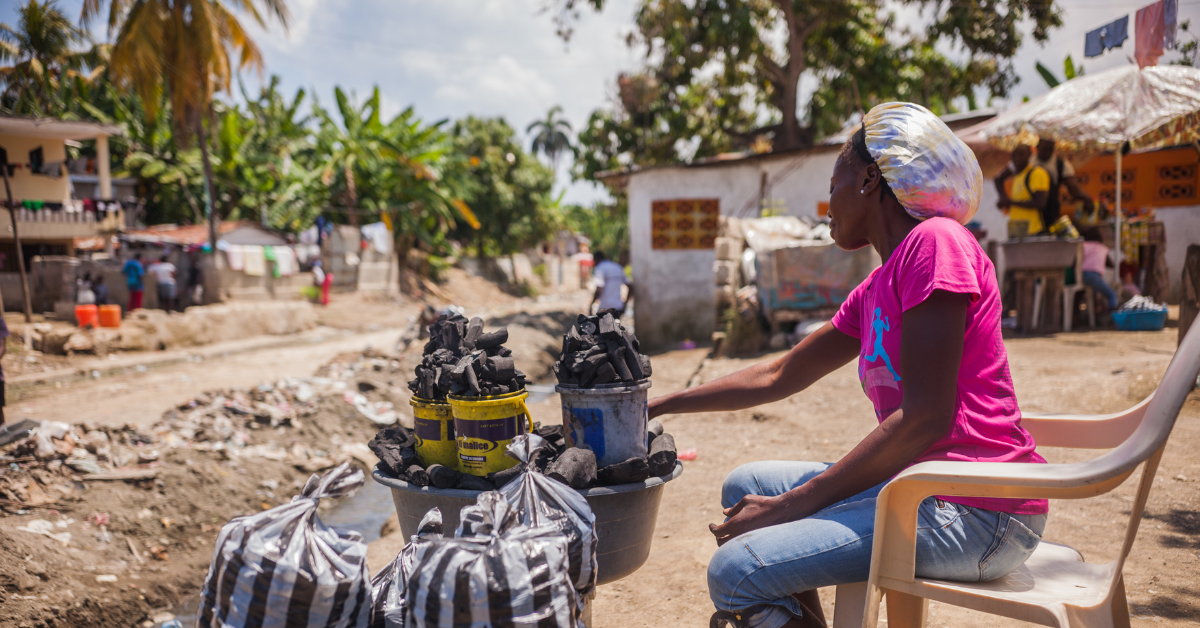
The hygiene and water treatment supplies helped Pierre keep herself and her family healthy, and with the cash she received, Pierre was able to pay school fees for her child, pay off some debt, and start a small charcoal business to support her family.
RODEP’s support did not end with just emergency relief. Shortly after the hurricane, Pierre was a victim of assault by her neighbour. He repeatedly pushed her over, slapped her, and she lost two teeth before her brother-in-law was able to intervene. Memories of the incident haunted her long after it was over. “I used to wake up suddenly at night thinking about what happened. I had trouble sleeping,” she said.
The stress and upheaval caused by disasters often increases conflict and violence, especially targeted at women. That is why support for survivors and community education are key parts of a disaster response.
For Emmanuel Noël, RODEP’s General Coordinator, combining psychological support along with cash and hygiene supplies help people recover more fully. “Not only did they receive material and financial assistance to restart their activities, but they also received mental and emotional support that enabled them to recover psychologically.”
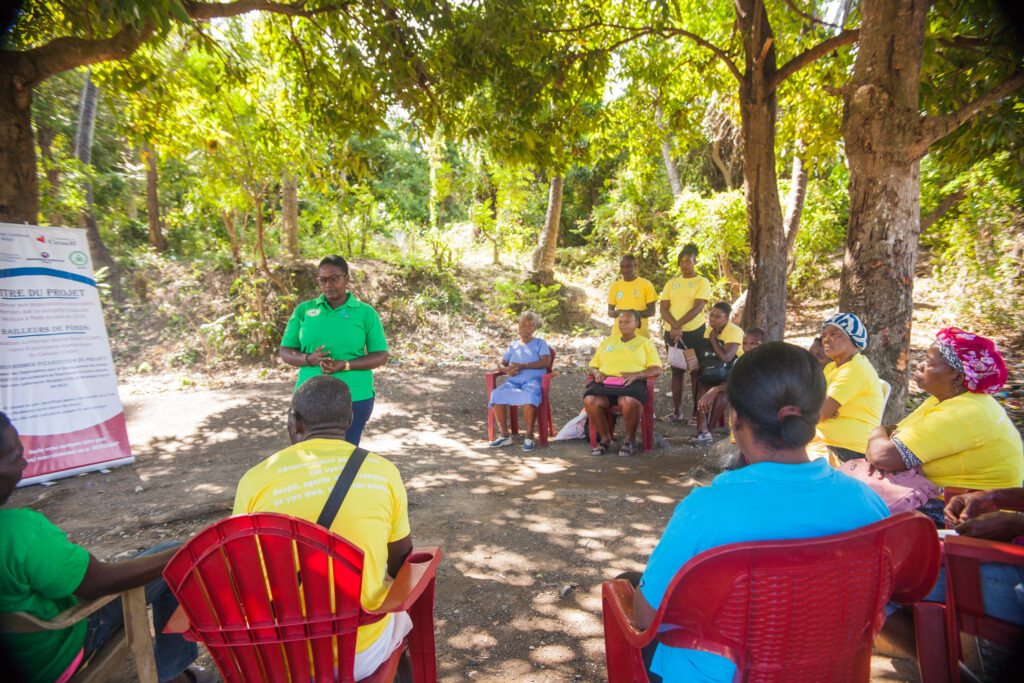
After Pierre told RODEP’s team about her assault, they helped her learn how to report incidents and connected her with a psychologist for mental health support. “They gave me advice and support because I was deeply affected, because I was slapped like that by a person I didn’t do anything to,” she said. After speaking with the counsellor, Pierre said she still thinks about what happened to her, but it doesn’t affect her as deeply as it once did.
“I am very happy because [the project] has helped us a lot,” Pierre said. “They helped me and gave me the means to live with my child.”
The support Pierre received was part of a five-month CLWR emergency response to Hurricane Melissa that provided 480 families affected by the storm with financial support and hygiene supplies. The project also rehabilitated five community water systems, serving 11,350 people, and provided prevention against gender-based violence and support for survivors. The project was implemented by LWF Haiti and its local partners like RODEP, and was supported with funding from the Government of Canada through the Humanitarian Coalition.
*Note: The name of the survivor has been changed to protect her identity.
Top image caption: Joseline Pierre (name changed to protect identity) stands outside her home in Nan Bannann, Petit-Goâve, Haiti. After Hurricane Melissa destroyed her home and business, she rebuilt a charcoal business with support from a CLWR-funded project implemented by RODEP. (CLWR photo/Fairpicture/Reginald Louissaint Junior)