More than a game: Soccer brings change in Colombia
For decades, Arauca has been shaped by conflict. Armed groups — including guerrillas, criminal gangs and state military — have influenced daily life, forcing families to flee or remain confined to their communities in fear.
“We’re not allowed to leave the community because of the conflict,” says William, who moved here 20 years ago after violence escalated near his home.
In this context, soccer has become more than a game.
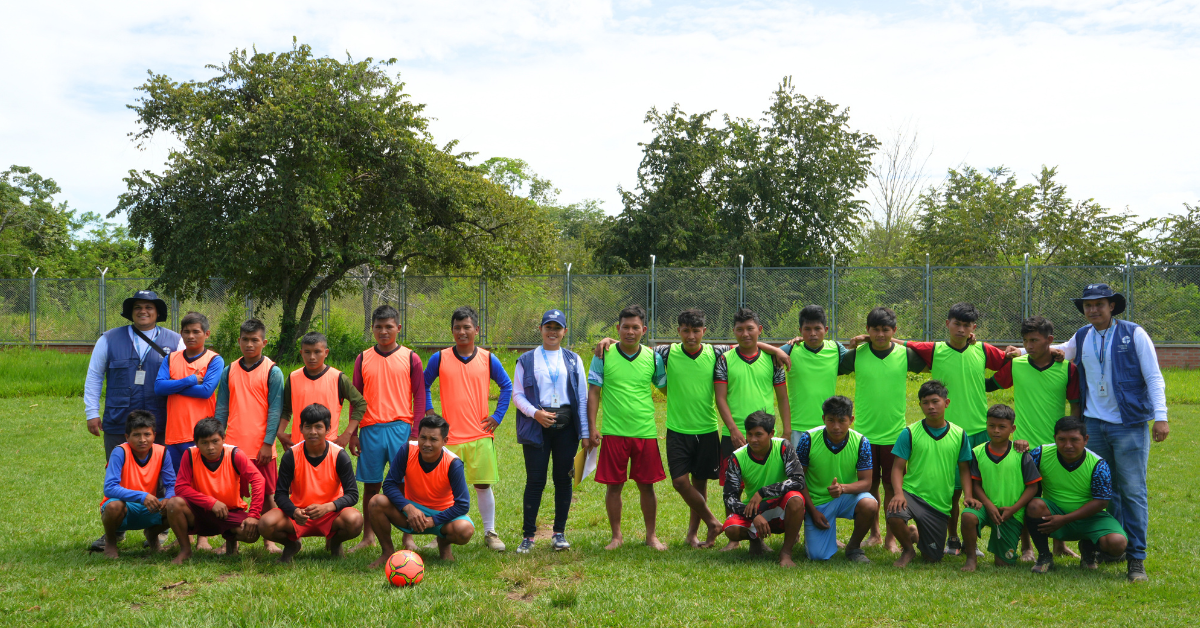
The tournament, Men Who Take Care of Themselves, is the first of its kind in the community. It offers a rare chance for people to gather safely, reconnect with neighbours and spend time together in a space not defined by fear. These matches are meant to question and push back against unhealthy or harmful beliefs about what it means to be a man and help stop violence against women.
The tournament is part of a $6.2 million program supported by the Government of Canada and the generosity of Canadian Lutherans, helping nearly 50,000 people in Colombia and Haiti. By the end of the project, 6,501 boys and men will have learned about positive masculinity, gender roles and how to prevent violence and treat everyone with respect, no matter their gender. In sessions, sometimes in men‑only groups and sometimes in mixed groups, they practice working together and communicating their feelings with respect and fairness. The program is jointly implemented by Canadian Lutheran World Relief and the Lutheran World Federation.
“I’m really happy they brought this activity here. I love sports and games,” says William.
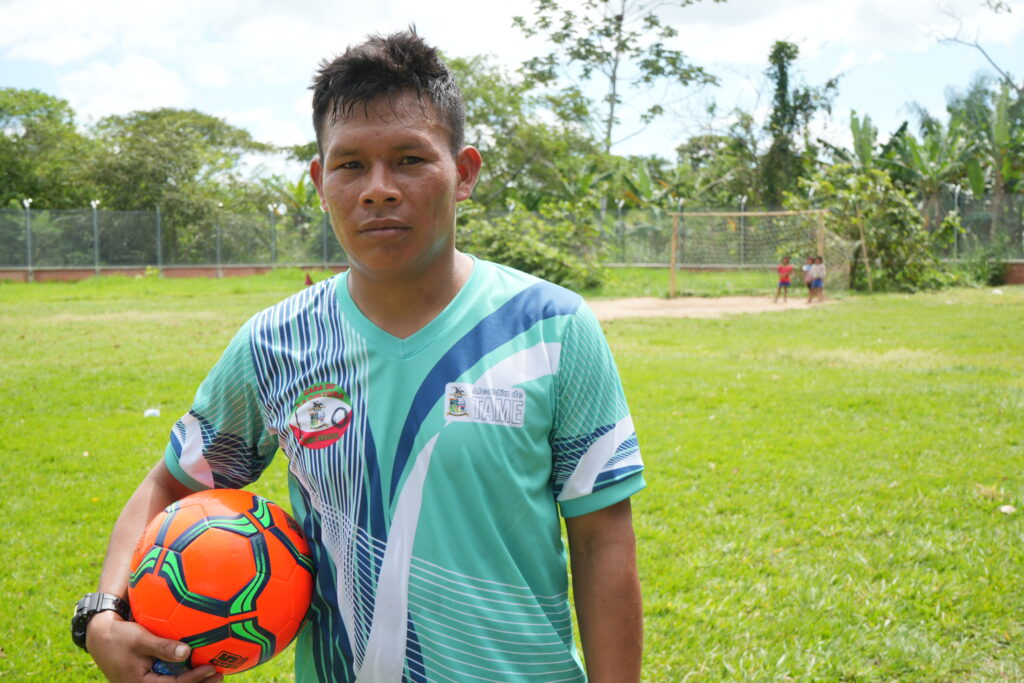
William Díaz plays in the Men Who Take Care of Themselves soccer tournament in Genereros, Arauca. The community event is supported by CLWR and LWF and promotes positive masculinity by encouraging men to play with respect. (CLWR photo/Shauna Turnley)
Learning through sport
On the field, men, women and children play side by side — not just to win, but to support one another and rethink what community can look like. The tournament encourages men to express emotions, reject violence and build respectful relationships. The rules reinforce these values. Aggression and discriminatory behaviour are penalized, and team captains are expected to lead with care rather than dominance.
Before and after matches, players gather to talk about what they felt — pride, frustration, anger or joy. Emotions that men are often taught to hide are treated as normal and worth sharing.
“You can laugh, get upset, even cry,” says Yidi Zueika Bastidas Robayo, an event organizer with the Lutheran World Federation. “Showing emotions doesn’t make you weak; it makes you human.”
She says it’s not about winning or losing, it’s about attitude, team work and respect.
For players like William, the lessons don’t stop when the whistle blows.
“These games help educate the community, and they bring people together,” William says.
Using soccer — a space where community leaders say many men already feel comfortable — helps open conversations about identity, relationships and behavior. It challenges the idea that men must always be tough or unemotional and instead promotes a vision of masculinity that is caring, respectful and nonviolent.
For William Díaz, the impact goes beyond the field.
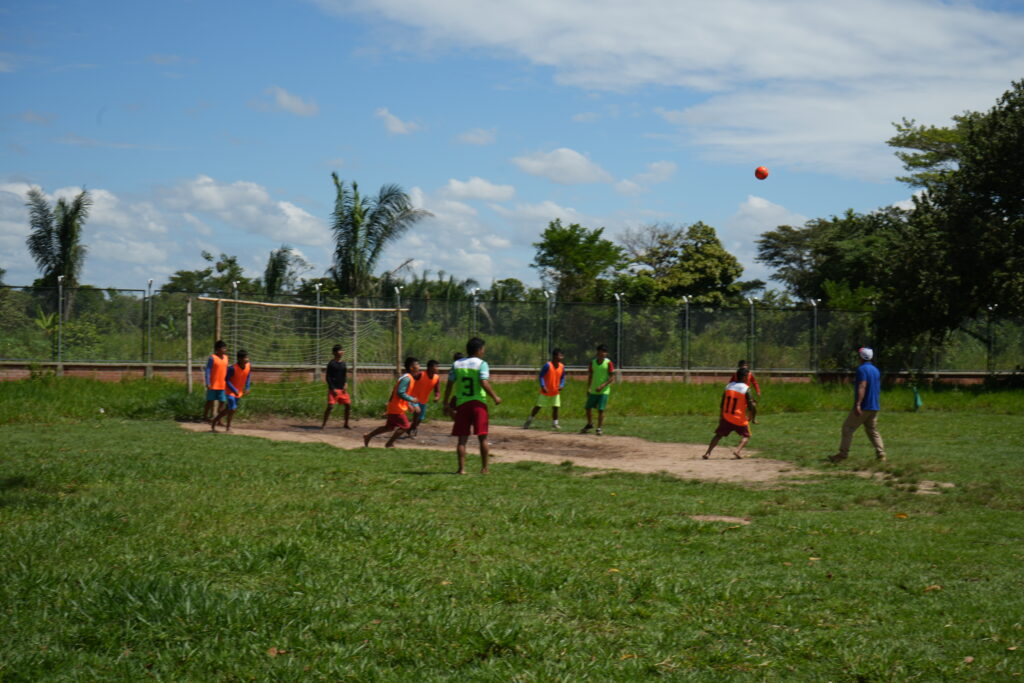
Men take the field for the Men Who Take Care of Themselves soccer tournament, the first of its kind in the community promoting positive masculinity. Teams include Real Madrid (green) and Nacional (orange), playing in Genareros, an Indigenous community in eastern Arauca, Colombia. (CLWR photo/Shauna Turnley)
Top image caption: (CLWR photo/Shauna Turnley)