The Beaverbrae’s legacy: a lifeline for thousands seeking safety – John’s story
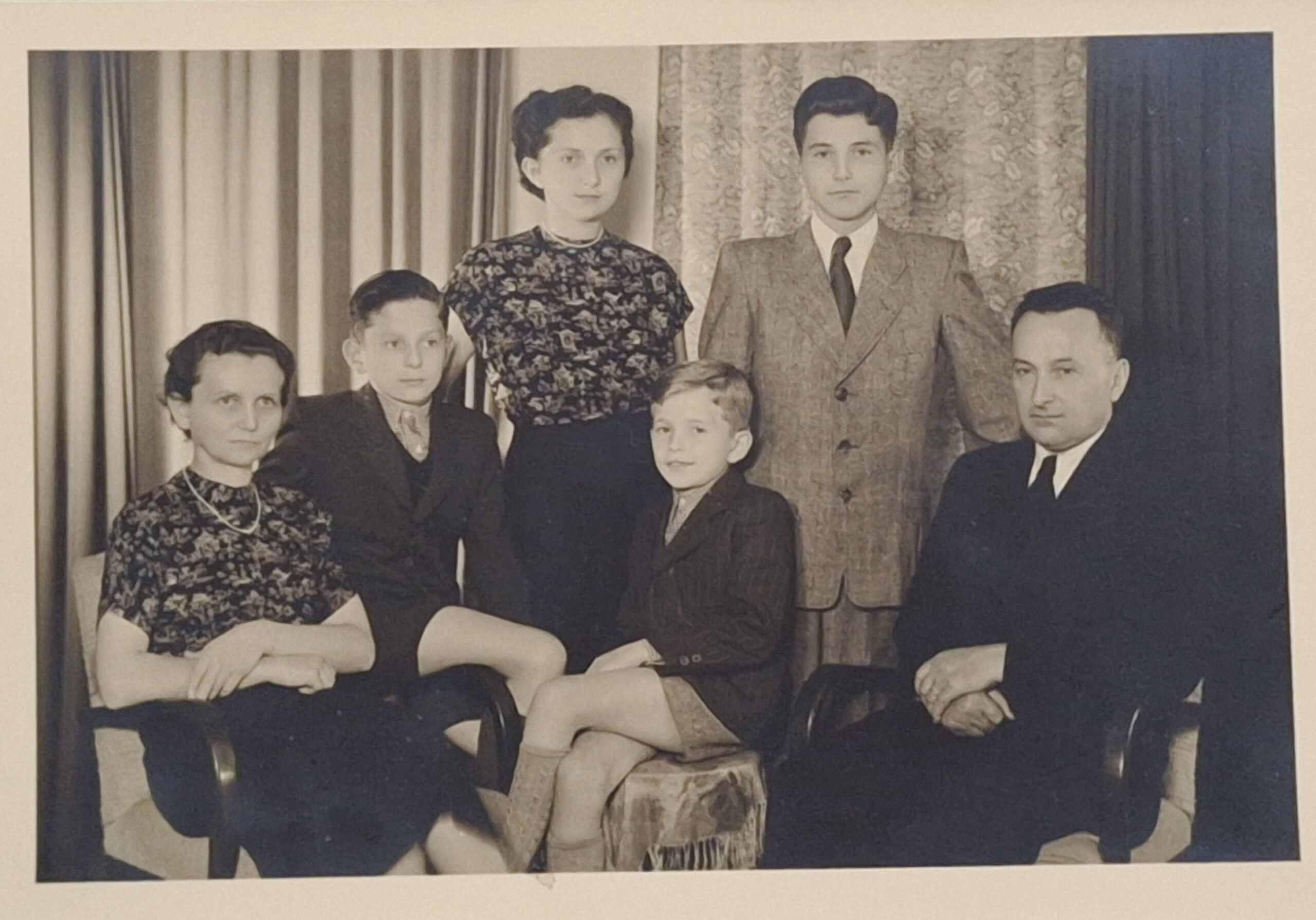
“We had to flee or end up in a concentration camp,” says John Weingartner.
Born in 1936, in what was then Yugoslavia, now Croatia, John was just a child when war forced his family to leave everything behind. Alongside his parents and three siblings, he fled to Austria, where they lived in limbo for nine long years, waiting, hoping for a chance at safety.
That chance came in 1953, when they were resettled to Canada through a CLWR-supported program.
Canada said yes
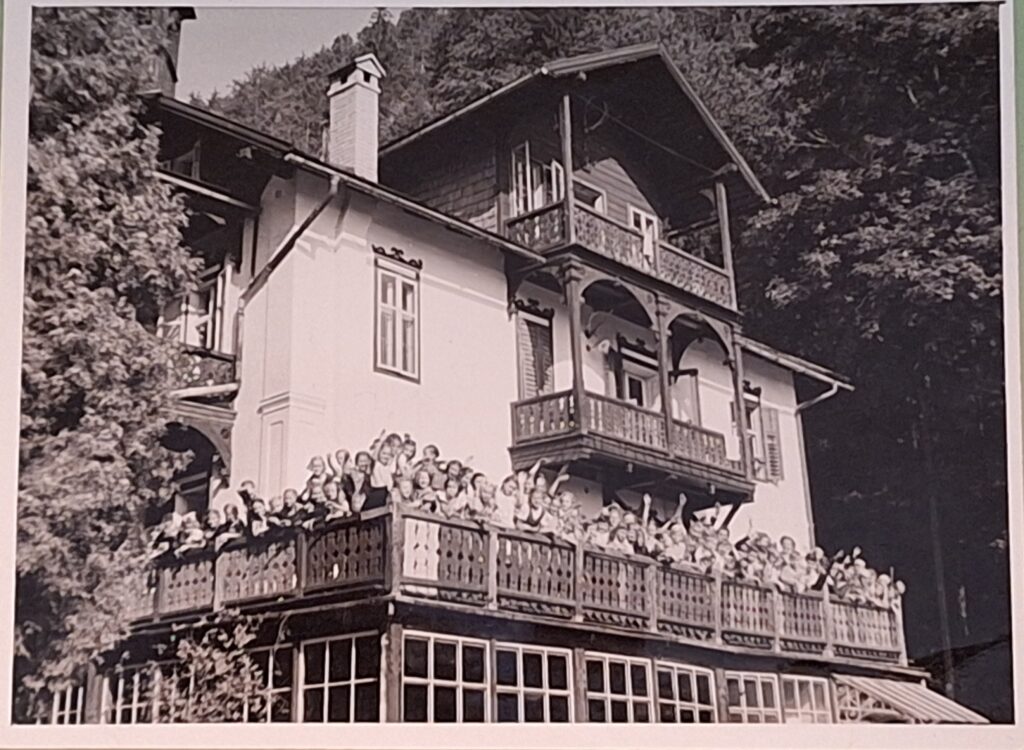
In March of 1946, representatives from North American Lutheran churches gathered in Ottawa to discuss the pressing challenge of how to provide support for the millions of Europeans displaced by the Second World War. This was the birth of CLWR, a way for Canadian Lutherans to extend a hand of welcome to loved ones and strangers an ocean away.
CLWR quickly partnered with Catholic, Mennonite and Baptist church agencies to form the Canadian Christian Council for the Resettlement of Refugees (CCCRR) to assist refugees from Germany and Austria in coming to Canada. The first arrivals joined relatives already living in Canada, who sponsored them and paid for the costly voyage. But soon, CCCRR’s mandate was expanded to include refugees who did not have relatives in Canada.
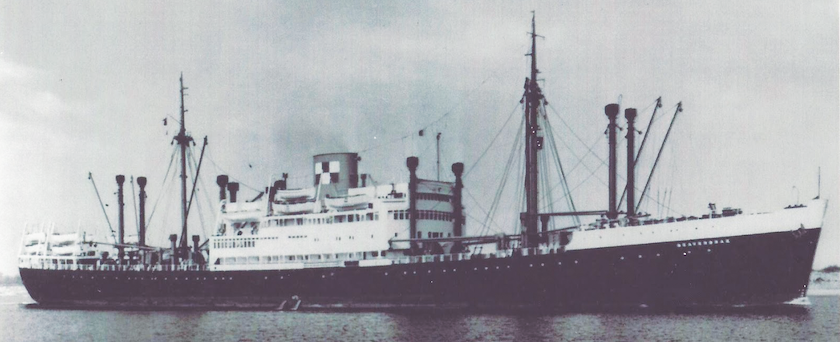
The Weingartners arrived on the Beaverbrae, a ship that carried more than 33,000 displaced people, on 51 voyages to new lives in Canada between 1948 and 1954. These journeys were made possible by Canadian Lutherans who believed that welcome was not optional.
John’s new start in Canada
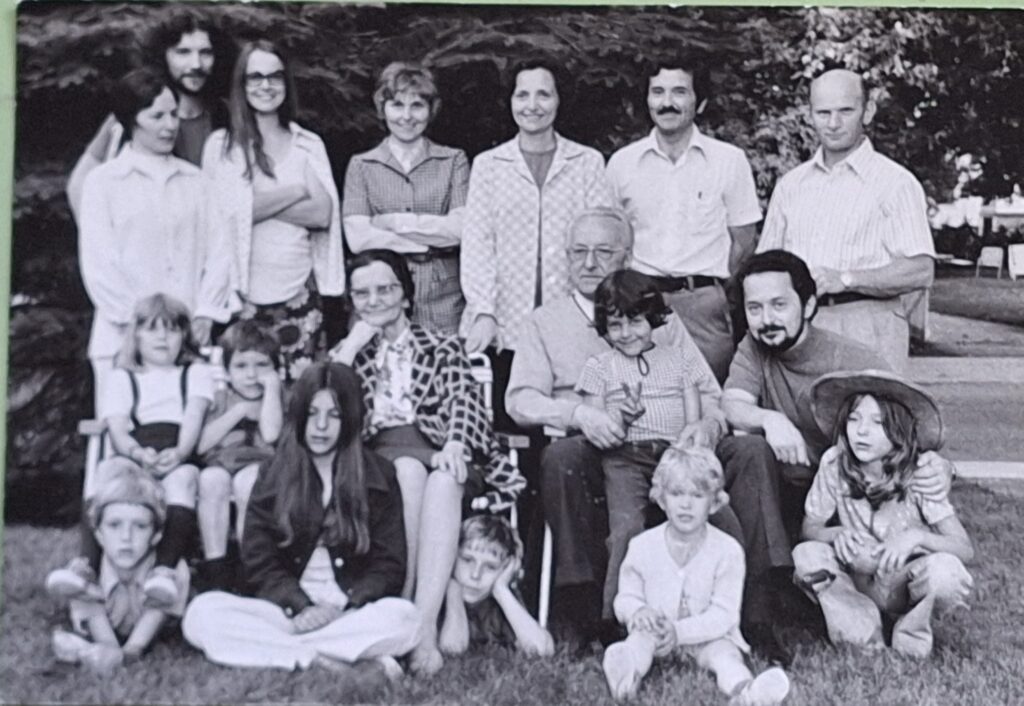
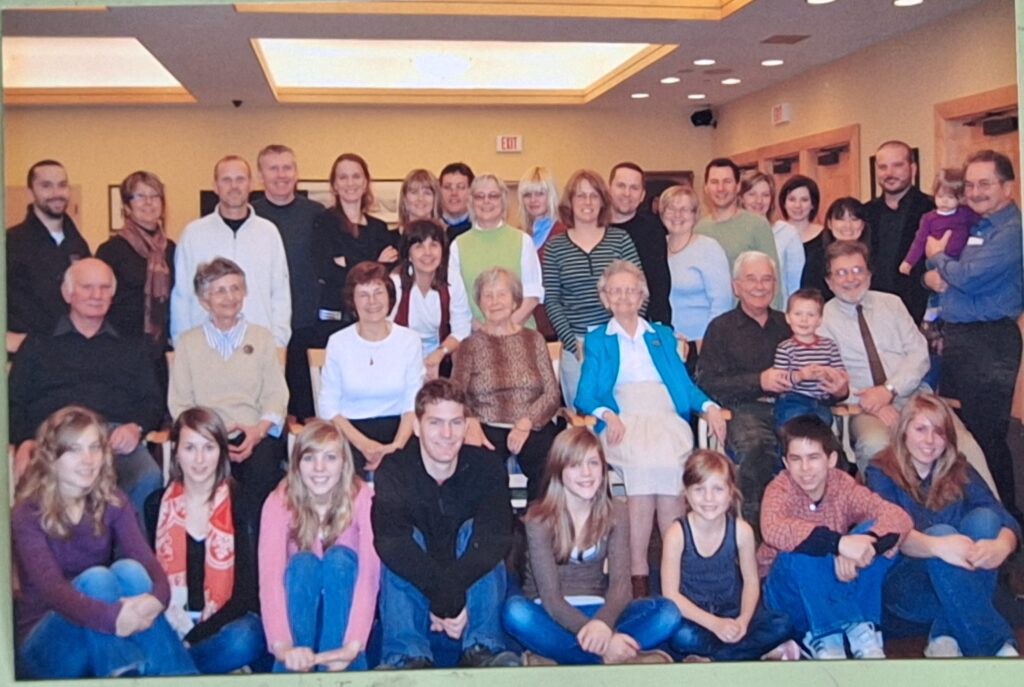
John’s family found a home in Hamilton, Ontario. He went on to become a teacher, raise a family, and celebrate 65 years of marriage.
Today, at 89 years old, he and his wife Barbara, who was born in Berlin but also fled with her family to Canada, still live in the same home, surrounded by a lifetime of memories made possible by that one journey.
Ongoing commitment to welcoming refugees
Thanks to the compassion of Canadian Lutherans, our refugee resettlement program continues to change lives, just like John’s.
In 2025, 199 refugees were sponsored through CLWR. Including folks from Afghanistan, China, the Democratic Republic of the Congo, Eritrea, Ethiopia, Iraq, Somalia, South Sudan and Syria.
Through your generosity, CLWR continues to help people flee violence and persecution, and find safety, belonging, and hope.
Consider learning more about CLWR’s refugee resettlement program.
John’s story began with a helping hand.
In 1953, compassionate Canadians helped John’s family find safety after years of displacement.
Today, families fleeing war and persecution are waiting for that same chance. Your generosity helps people fleeing conflict rebuild their lives with dignity, belonging, and hope.
Help a refugee rebuild their future